Showing posts with label How To. Show all posts

July 22, 2012

Invasion from Within: The Squash Borers Attack "Alien" style

My exploding foamy squash vine
Squash Borers.  I hate them.  I've only just met them, and I already hate them.

Yesterday, I went to weed around the squash and saw that the vines near the soil looked like something out of a science fiction movie.  The insides had turned into foam and burst from the confines of the vine walls.  It was creepy, and I wondered what bacteria could do that.  They were beautiful, and everything was growing well one day, and the next, it was like they'd dissolved into creepy foam.

I googled "squash vine foam" and discovered pictures that looked exactly like my squash:  I had vine borers.  According to the University of Minnesota's extension website page on Managing Vine Borers in Home Gardens, all of this destruction was caused by the nasty larvae of a kind of a funky looking clearwing moth.  I knew nothing about this thing, so all the information below is from them.  You should check out their full article for a more detailed explanation, and read more for my short one.

May 8, 2012

Protect Plants from Cold Without Trashing the Yard

So, you planted too early?  Now it's time to think about serious protection for plants.  Unfortunately, plant covers cost money and are typically kind of ugly.  Home made solutions make the garden look like a tornado's just strewn the contents of your laundry room or recycling bin across the garden.  And, in my case, when that garden is also the "decorative" front lawn in military housing, it is cause for annoyed neighbors and violation warnings.  Fortunately, there are ways to protect delicate plants from the cold without looking like you're also running the worlds trashiest yard sale.

March 4, 2012

Protect Plants with a Living Screen.

protective screen and growing space
for spring and summer plants
As cool spring weather moves to hot summers, some plants thrive while others wilt.  To get the most out of the overlap between the cool and warm weather, plant sun and heat loving summer plants in a way that they protect cool spring plants from the sun.  This will extend the growing season for the cool weather plants a bit, and ensure that you get a few more harvests out of them.


There are several hardy vining flowers and vegetables that thrive in hot days with full sun, growing quickly and producing well, while the spring plants suffer and wilt.  However, careful planting can make use of the quick growing nature of summer plants by planting carefully to extend the life of spring plants while giving room to the hot weather loving plants.  

February 21, 2012

Paper Roll Plant Pots


Old toilet paper rolls and paper towel rolls make great plant pots for starting seeds.  They're biodegradable and a perfect size for starting seeds in:  small, but deep enough for seeds to put down solid root structures.

When the time comes to plant the seeds, you can simply remove the non-biodegradable material and plant the entire pot in your garden.

Making plant starters out of recycled materials is easy.  Simply hang on to toilet paper and paper towel rolls as you get done using them.  Then, follow the steps below.


February 20, 2012

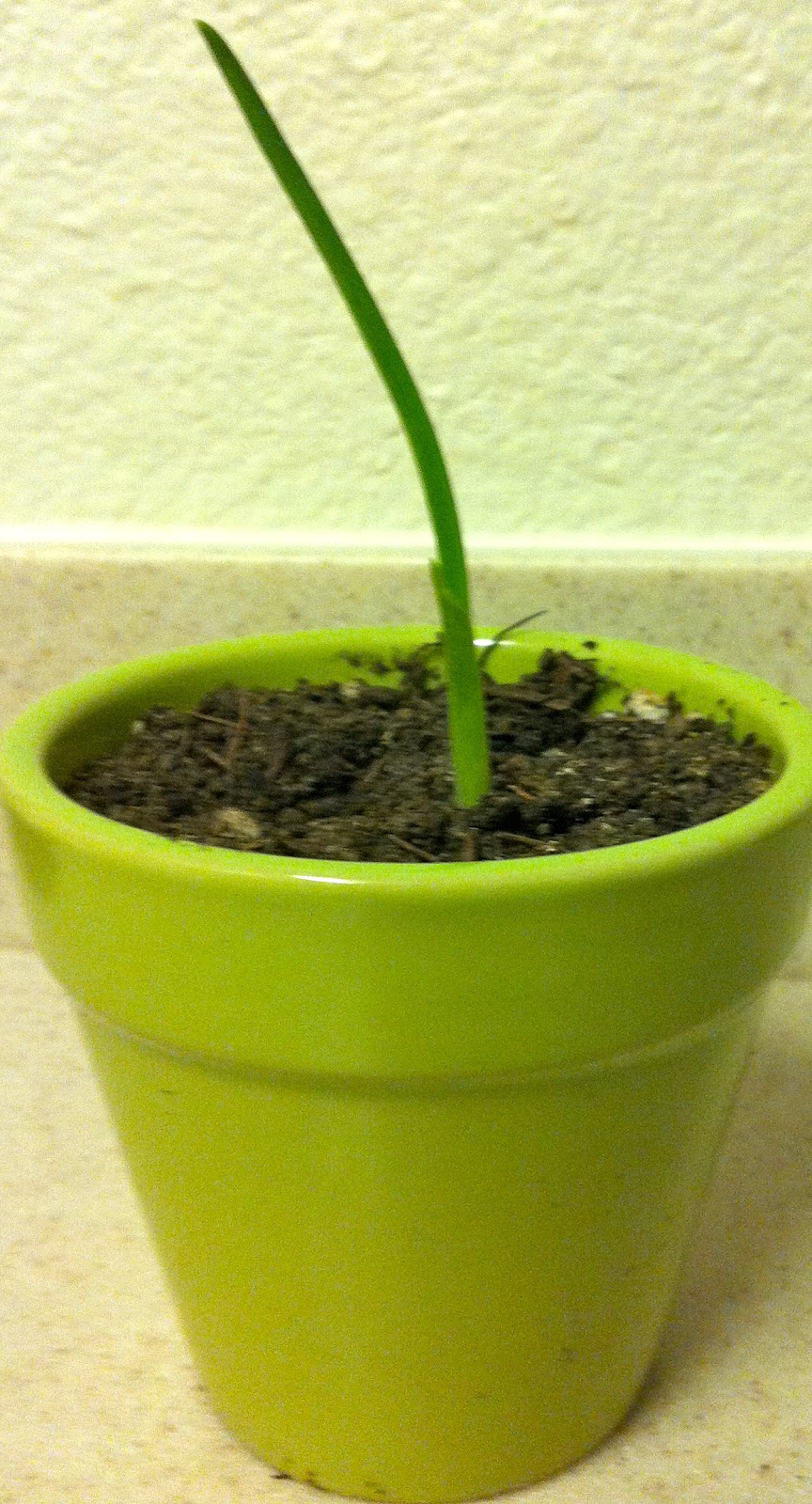
Grow a Grocery Store Red Onion

Today, I found a red onion I bought weeks as part of a bag of several onions that was cheaper than buying a few in bulk.  I've allowed this onion to languish unused and it has been busily growing shoots, making it perfect for planting.

To grow an onion, it's important to know that they're biannual.  In the first year the bulb grows into a plant that produces seeds.  In the second year, the  seeds grow into delicious onion bulb.

People who plant onion bulbs expecting to dig up new onions at the end of one season will pull up a rotten looking mess of plant matter. The growing onion plant feeds on the bulb from the inside out.

The onions we get in the grocery store are the product of year 2, but planting them starts the cycle over again.  So, don't worry if people have said that you can't plant onions because they rot.  They don't and you can.


February 18, 2012

Vegetable Oil Bottle Greenhouse

I love mini greenhouses because they make life as a gardener so much easier.  The plants germinate and grow much faster and I have to worry about remembering to water them much less often.  However, greenhouses are expensive, and well out of my $5 budget.  So, I've turned to our recycle bin more and more often for free materials to start the seeds off well.

A vegetable oil bottle, in this case Crisco, is perfectly shaped to be a greenhouse because the bottom 2/3 of the bottle is a uniform and wide shape, while the top 1/3 comes in at the neck and then expands again.  Here's how I made mine.

February 17, 2012

Repurpose Cans as Planters

I was washing out cans to put into recycling, when I had an epiphany:  cans are cool looking, sturdy, and waterproof.  They would make great pots.  However, there are some clear hurdles: they provide no drainage, and it's unlikely my neighbors will think they're as cool looking as I do.  We live in a neighborhood of wonderful people who sadly don't subscribe to my "make it don't buy it" ethic.

I'm a pro at tackling one problem at a time, so I decided to ignore the appearance issue until I have time to make them pretty, and get right down to the challenge of making them work as pots.  

Unfortunately, poking holes in the bottom (my usual solution for drainage) wasn't an option because of rule #6:  do not inconvenience or annoy non-gardeners in the house.  My husband puts up with a lot, but he's not the DIY type, and soup cans bleeding dirty water would not make him a happy camper.  So, self-contained had to be the way to go.

Fortunately, I found a solution in the cans themselves:  the lids. bent appropriately, they made nifty little air pockets at the bottoms of the cans to allow water to drain.  They would still need less watering than their more drain friendly peers, but they'd do nicely.   Now I just need to spend some time deciding how to make them look pretty to everyone else and stay within my $5 budget.  

February 15, 2012

Repurpose Plastic Containers into Plant Starting Pots


 Gardening cheaply has me seeing my ziploc, tupperware, and gladware in a new light.  Everything looks like it would make a great planter now.  My current favorite is ziploc's larger containers, which we inherited with leftovers from thanksgiving last fall.

Preparing plasticware with a lid is the easiest since most nestles into the lid.  Here's how I did it.

Step 1: Turn the plasticware over so the bottom is upright and use a sharp tool (an awl, scissors, a box cutter, a knife, whatever you have handy) to cut several holes or a few slits in the bottom.  These holes will serve as drainage, so cut with care:  too many/too large and the water will flood out, too few/too thin and the soil will become waterlogged.

February 14, 2012

Grow Celery from the Kitchen

Celery mid-planting, before being covered
I just found out that I can grow celery from the bits I don't use.  I'm excited to try it because it's a new addition to the super cheap garden.  Here's how I did it.  I'll report back as the spring continues to see how the celery is doing and if it grows.

Celery loves poorly drained soil, so it's a great plant to put in that part of your garden where the drainage just isn't good enough for most vegetables.  If you have to container garden celery, then it's content in containers that don't offer the drainage most plants need.

February 7, 2012

Egg Carton and Eggshell Seed Starter

Today I repurposed egg cartons and egg shells to start seeds cheaply.  I've done it in the classroom in the past, but this is the first time I've done this for my own seeds.  here's how


February 5, 2012

Growing Peppers from Dried Peppers

Two peppers I dried last fall.
I love hot peppers.  They're delicious, and easy to dry.  So, of course, I'm turning to hot peppers as the first recycled from the kitchen vegetable in my garden.  This is easy since I have 2 dried peppers left from the ones I dried as part of last year's crop.

February 4, 2012

Growing Basil from Cuttings


my lovely, dying, woody sweet basil
I have a basil plant in the window that is woody, with only a few leaves that aren't particularly flavorful or fragrant.  These are both signs that this plant is nearing the end of its life, and in this case, it suffered neglect while I was out of town working for 2 months.

This was a great basil--it's leaves were sweet, and the smell was wonderful. I'd rather have more like it than try my luck with store bought seeds.  So, I'm going to propagate it from cuttings in this tutorial.

(step by step guide after the jump)

February 1, 2012

What to Prune in Early Spring

One of the challenges all gardeners face who've inherited decorative shrubs when they moved or who have planted them and now run the risk of a garden takeover years later is when to prune.  So, here's my quick and dirty list of what to prune in late winter/early spring:

  • Plants that bloom in the summer
  • Hedges that need shaping
  • Evergreens that aren't pines

(A more detailed explanation/list is after the jump)

January 27, 2012

Making Potting Soil


As I began to plan for the garden, and read through the blogs and pages that share great ideas, I realized that dirt was going to be a big problem.  Specifically, I've been looking into planting potatoes because I see great tutorials for ways to do so in a container (such as this one in the Seattle Times) and because I see that know that it's one of the easiest to grow from farmer's market potatoes.  However, they require a ton of dirt and need to be started in potting soil (and I know hydroponics is an option, but I don't know much about it.  So, until I have time to read more about it, I'm going to focus on the soil).

(see some ways to make potting soil after the jump)

January 16, 2012

Perpetual Green Onions

Did you know that you can grow green onions perpetually?  Seriously.  I have no idea why I bought green onions for so long.

On Friday, I bought green onions from the store and three days later, I already saw the first few inches of new onions.  By the end of seven days, the onions had grown significantly, as is apparent in the picture to the left.

It's crazy easy and I love this. Now, my problem is finding a more decorative container for them and either culling my green onions or finding more to do with them.

So far, I've been bagging them, dicing them and using them as a garnish and as additions to recipes with onions in them.  The flavor is a little fresher than an onion, but the two flavors work really well together.

January 9, 2012

Grow Garlic from your Kitchen


Growing garlic is really easy, as anyone who's forgotten some cloves in the back of the cupboard only to return to find them sprouting green shoots can attest.  That's where I found mine--cost = $0.

Garlic prefers soil with good drainage and lots of fertilizer. The earlier you can plant cloves, the better because they take a while to grow, and since they're pretty hardy, they can handle freezing weather.  So, fall is a great time to plant, but early spring will do.  I start mine in February--here's how